GST input tax credit (ITC) lets you reduce the GST you pay to the government by the GST you have already paid on business purchases. For a small business, understanding GST input tax credit is the difference between paying tax only on the value you add and paying it twice. This guide explains who can claim it, the conditions, what is blocked, and a simple monthly routine.
What is input tax credit in GST?
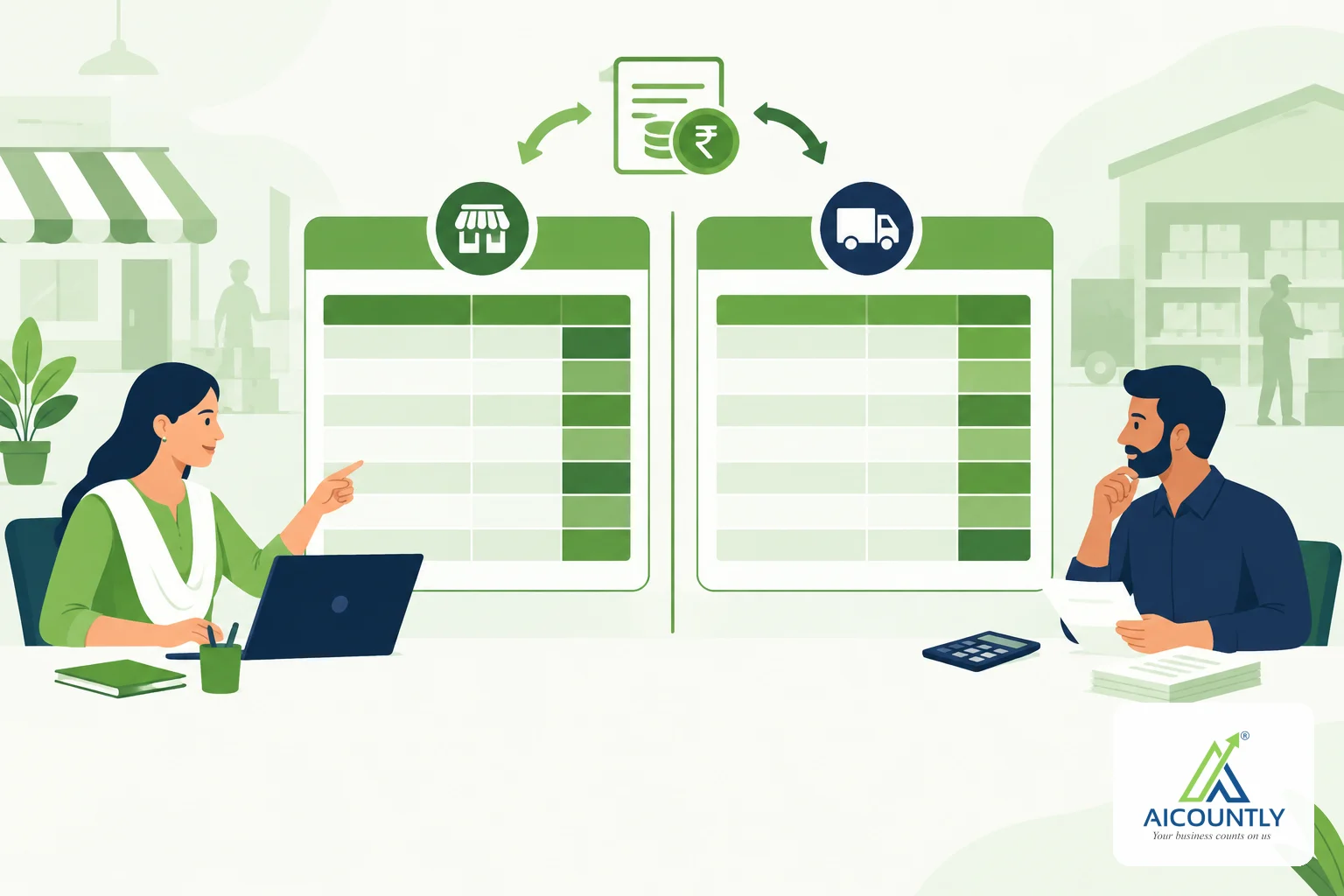
When you buy goods or services for your business from a registered supplier, the invoice carries GST. That GST is your input tax. When you sell, you charge GST to your customer; that is your output tax. ITC lets you set off the input tax against the output tax, so you deposit only the difference.
A simple example: you buy raw material and pay ₹1,800 of GST. You sell finished goods and collect ₹2,500 of GST. With valid ITC you pay ₹700 in net GST (before considering the order in which credits are used), not ₹2,500.
Who can claim ITC?
Broadly, a registered person who uses goods or services in the course or furtherance of business can claim ITC. Some points small businesses often ask about:
- You must be registered under GST to claim credit. An unregistered buyer cannot.
- Taxpayers who opted for the composition scheme cannot claim ITC on their purchases.
- Credit is for business use. Goods or services used partly for personal use, or for exempt supplies, need a proportionate reversal.
The basic conditions to claim ITC
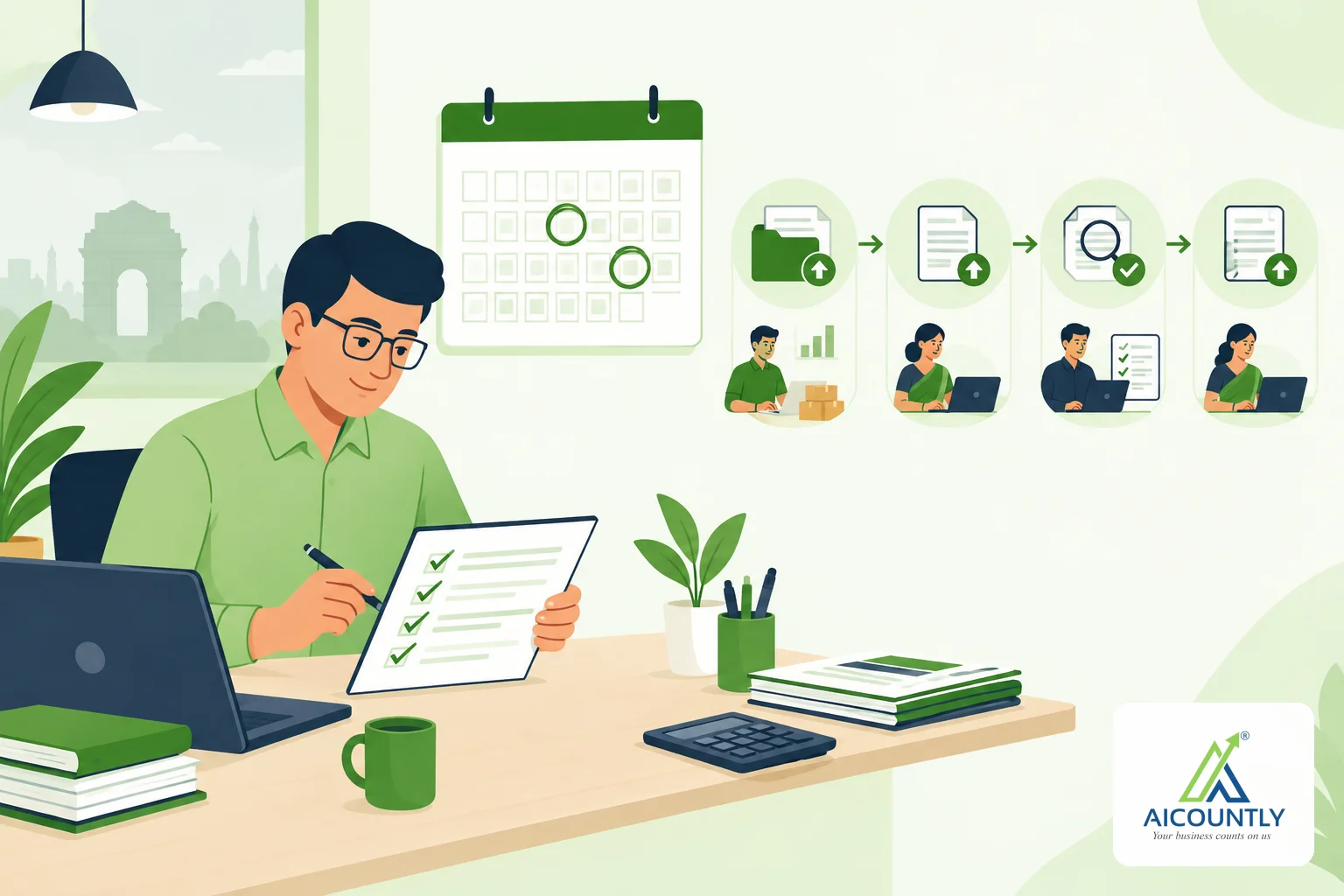
Section 16 of the CGST Act sets out the main conditions. In plain words, you generally need all of these:
- You hold a valid tax invoice or debit note from the supplier.
- You have received the goods or services.
- The tax charged has actually been paid to the government by your supplier, which is reflected in your GSTR-2B.
- You have filed your GSTR-3B for the period.
There is also a time limit for claiming credit on an invoice. Check the current limit and the annual deadline on the official GST portal before relying on a date from memory; our article on the ITC time limit under Section 16(4) covers it in detail.
Where to see your eligible credit: GSTR-2B
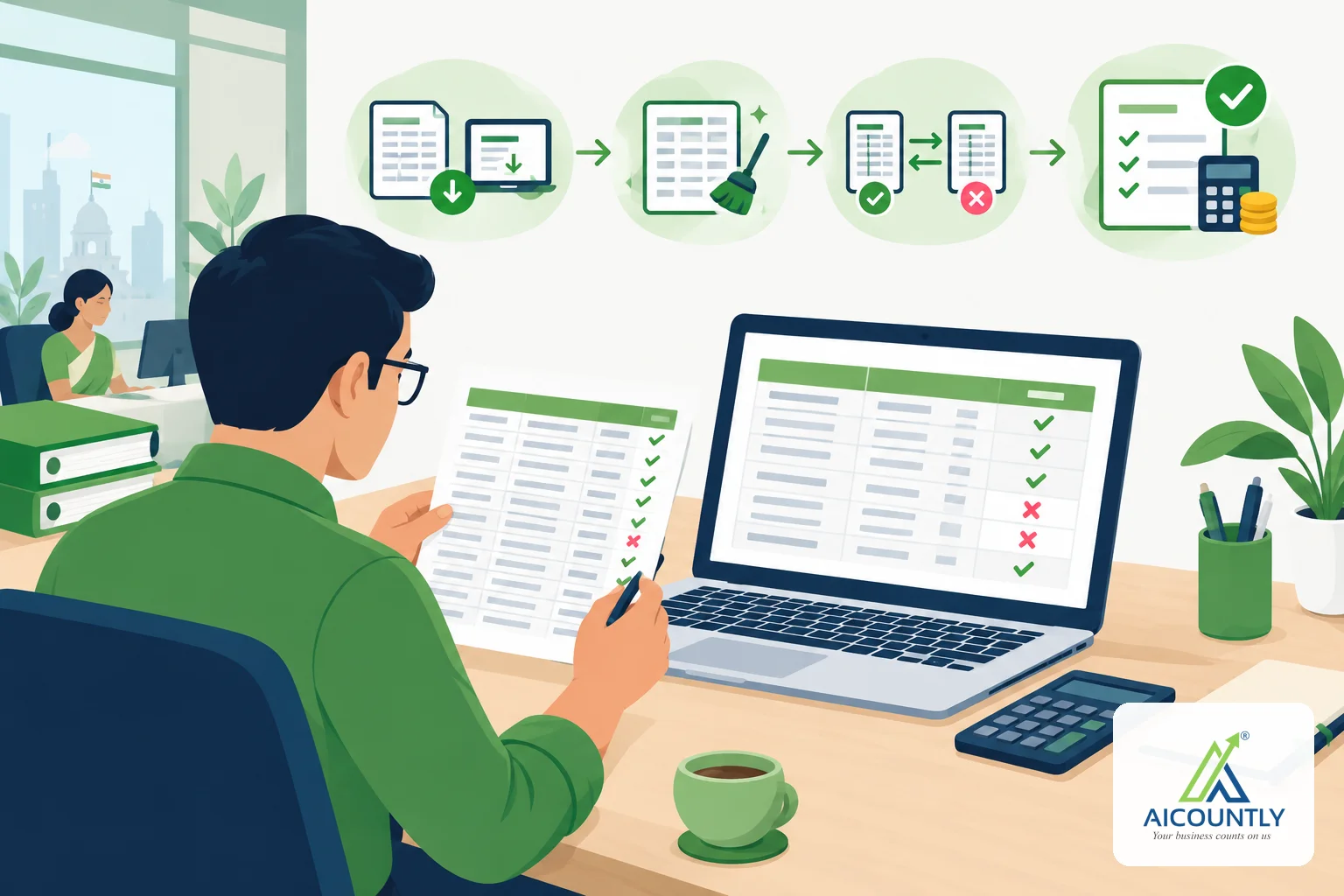
GSTR-2B is an auto-drafted statement generated for each month from the returns your suppliers file. It shows the credit that is available to you and the credit that is not. Use it as your starting point, not as a substitute for your books. If an invoice in your purchase register does not appear in GSTR-2B, follow up with the supplier before claiming it. Our step-by-step guide to GSTR-2B and purchase register reconciliation shows how to do this.
Credits you cannot claim
Section 17(5) lists "blocked credits": purchases on which ITC is not allowed even if you hold a valid invoice. Examples commonly seen in small businesses include certain motor vehicles, food and beverages, and goods or services used for personal consumption. Whether a specific item is blocked depends on the exact wording and exceptions in the section, so read the provision or confirm with your CA before claiming. The article on blocked credit under Section 17(5) goes through the main categories.
When ITC must be reversed
Claiming ITC is not always final. You may need to reverse credit already taken, for example when:
- You do not pay the supplier within the prescribed period for the invoice. See the 180-day rule under Rule 37.
- Goods are lost, destroyed or used for personal purposes.
- You make both taxable and exempt supplies, in which case common credit must be apportioned.
- A credit note received from the supplier reduces the tax on an earlier invoice.
Reversal is usually reported in your GSTR-3B along with interest where applicable. Keeping a record of each reversal and its reason makes notices much easier to answer.
A simple monthly ITC routine
- Record purchases promptly. Enter every purchase invoice with supplier GSTIN, invoice number, date, taxable value and tax split into CGST, SGST or IGST.
- Download GSTR-2B once it is generated for the month.
- Match books to GSTR-2B. Mark invoices as matched, missing in 2B, or in 2B but not in books.
- Check eligibility. Separate blocked items and anything that needs a proportionate reversal.
- Chase suppliers for invoices missing from 2B instead of claiming them early.
- Claim in GSTR-3B only what you have matched and verified, and keep your working paper.
Common mistakes to avoid
- Claiming credit on the basis of a purchase register alone, without checking GSTR-2B.
- Forgetting that blocked credit depends on the nature of the purchase, not just the tax rate.
- Missing the annual time limit for older invoices.
- Not reversing credit on unpaid supplier invoices.
- Mixing personal and business expenses on the same invoice.
Key takeaways
- ITC lets you offset GST paid on purchases against GST collected on sales.
- Valid invoice, receipt of goods or services, supplier payment of tax and a filed GSTR-3B are the core conditions.
- Use GSTR-2B as the starting point and reconcile it to your books every month.
- Section 17(5) blocks some credits; reversals apply in certain situations.
- Always confirm specific rules, rates and dates on the official GST portal or with a CA.
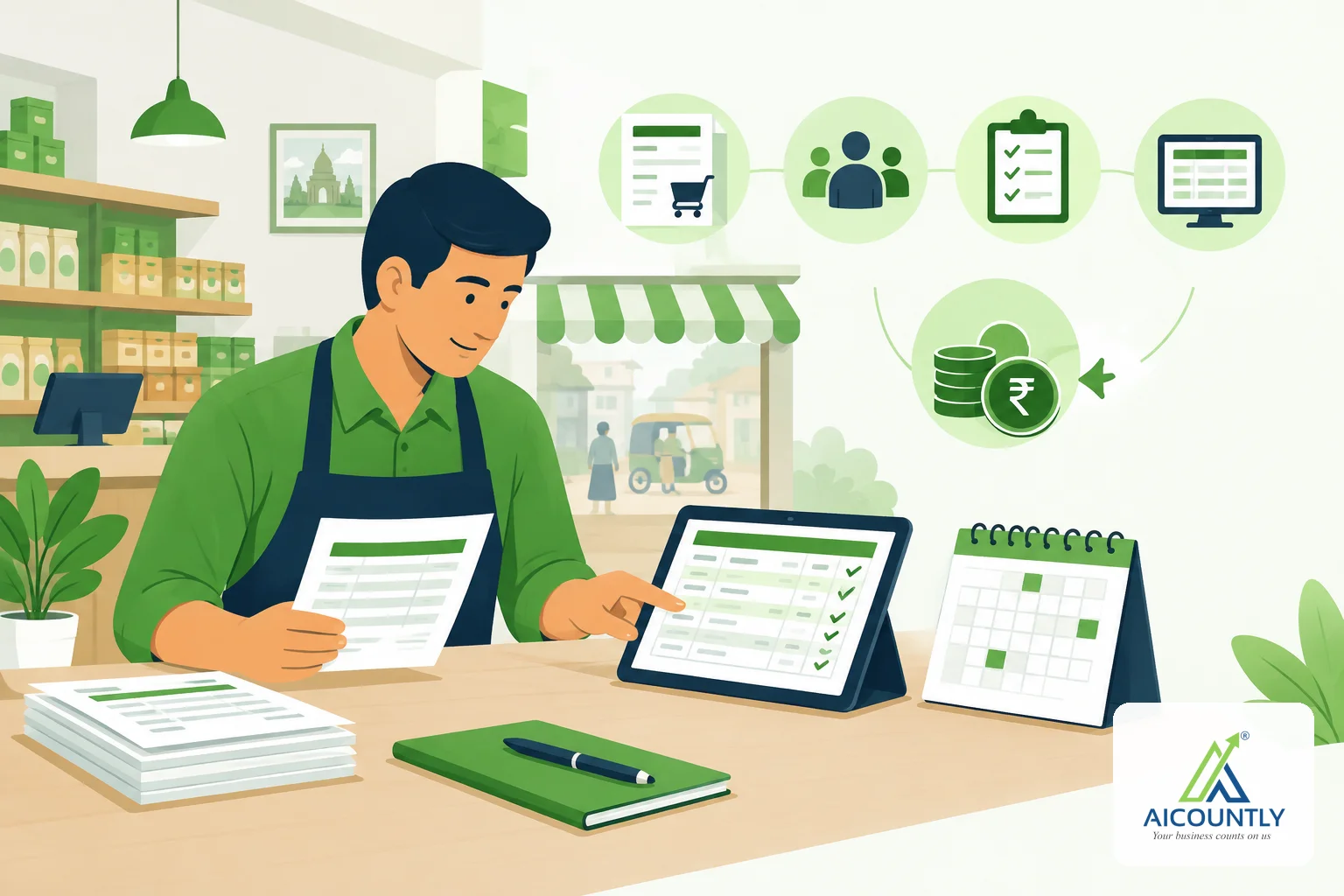
If you want your purchase entries to carry the ITC decision with them, Aicountly's Smart Books lets you mark purchases as ITC claimable or blocked at the item, ledger or tax category level, so the treatment is set once and followed on every voucher. This article is general guidance, not tax advice.